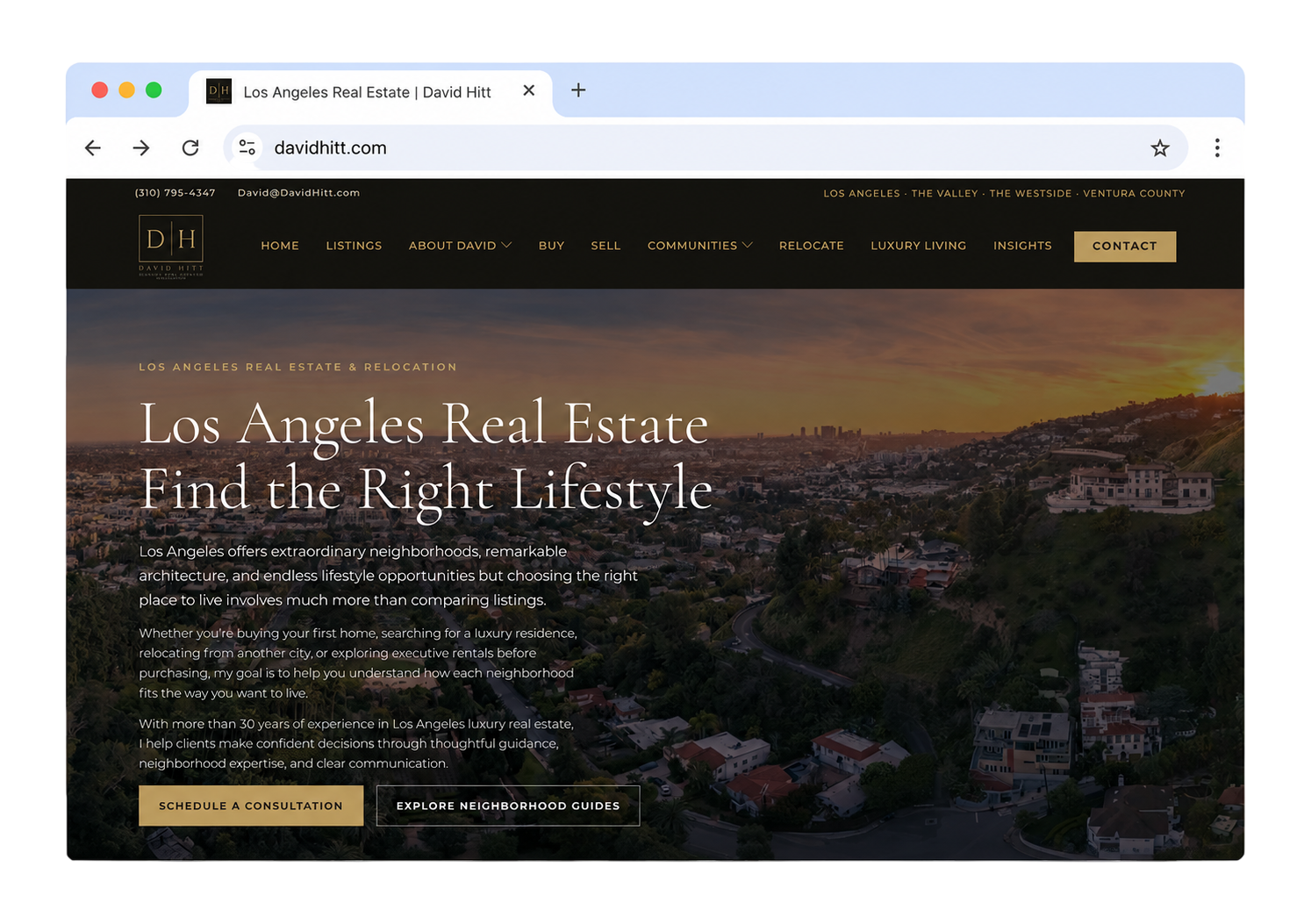
A premium Los Angeles real estate website with live MLS listings built into every page.

David Hitt needed more than an online profile for his real-estate business. Orbit570 created a complete digital platform where buyers can explore Los Angeles communities, understand different lifestyles, discover live MLS properties and move naturally from research to conversation — all without leaving David’s brand.

41+

Pages

15

Community & area destinations

CRMLS

Live IDX integration

100%

Responsive experience

One website. Multiple ways into the market.

A luxury real estate platform for an established Los Angeles agent, built on WordPress so his team can run and extend it without going back to a developer.

Client

David Hitt, Keller Williams Realty, California DRE #01210537, with more than 30 years selling residential property in Los Angeles.

Website type

Agent marketing website with an integrated MLS property search and a substantial editorial layer of neighbourhood and relocation guidance.

Market covered

Los Angeles, the San Fernando Valley, the Westside and Ventura County.

Audience

Luxury buyers, out of state relocations, buyers moving between LA neighborhoods, renters and sellers.

Platform

Built on WordPress with Elementor Pro, so new neighborhoods and guides are published by the client rather than commissioned from a developer.

Property data

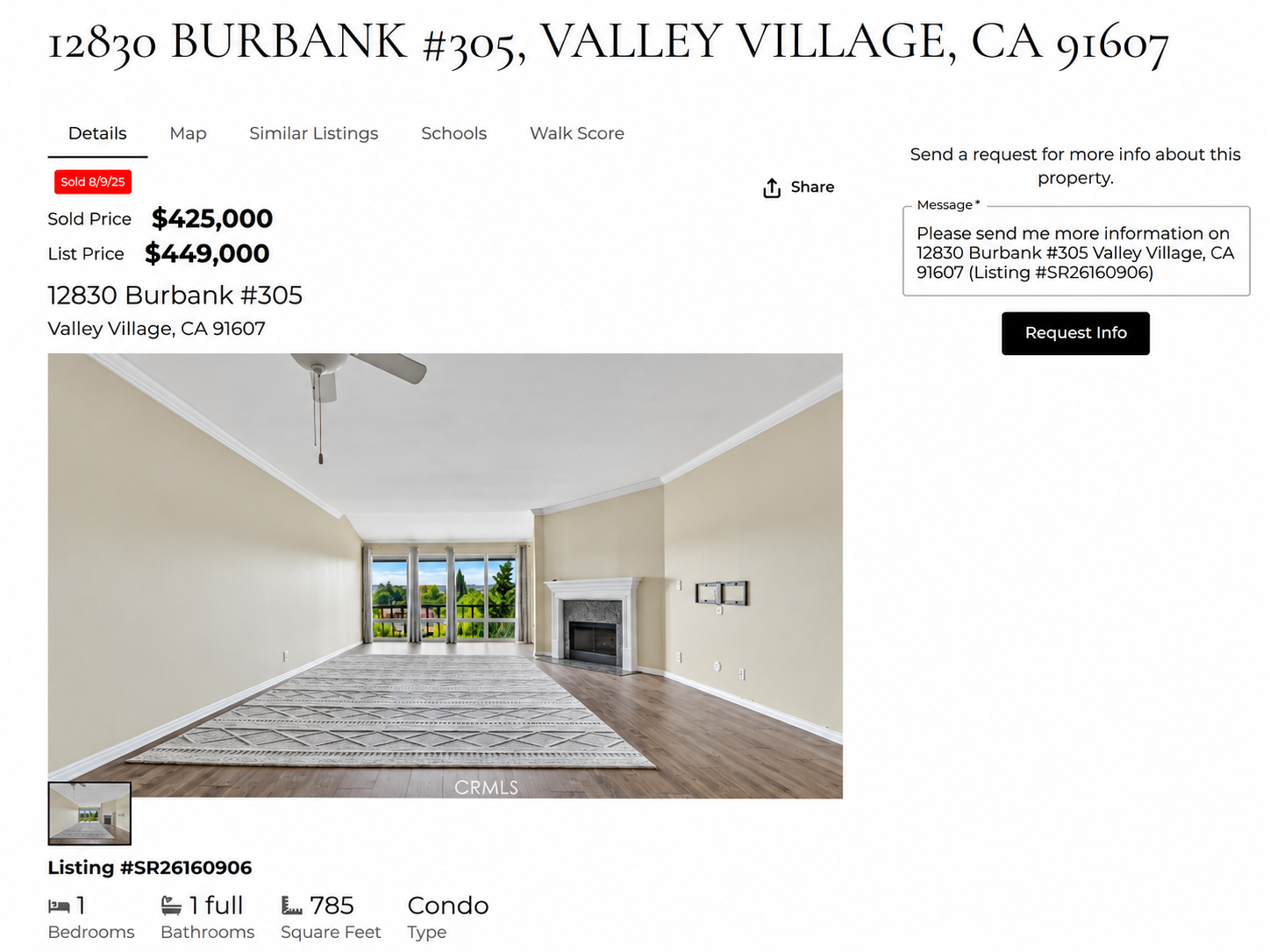
Live CRMLS listings integrated through iHomeFinder and rendered inside the site’s own pages.

Our scope

Strategy, UX and information architecture, UI design, full development, IDX and MLS integration, and on-page SEO.

What the client was up against, and what he asked for

Orbit570 integrated CRMLS property data through iHomeFinder, bringing live real-estate inventory directly into David’s own website.

Instead of sending prospective buyers away to a third-party property portal, the website connects property discovery with David’s neighborhoods, expertise and conversion journey.

Problem 01

No advantage on inventory

The portals list the same homes, rank higher and spend more. A property grid on its own gives a buyer no reason to stay on an agent’s site.

Problem 02

Buyers have not chosen an area yet

Most people moving within or into Los Angeles are still deciding where to live. A search filter is useless to someone who cannot answer its very first question.

Problem 03

Thirty years of expertise, invisible

What makes this agent worth hiring is knowing which neighborhood suits which buyer. None of that was published anywhere a prospective client could find it.

And one problem underneath the other three. Most agent websites hand property search to a separate provider on a different web address, so the visitor finishes their search somewhere else. The agent loses the relationship at the exact moment the buyer becomes serious.

What the client required

A premium, luxury presentation

A site that looks and reads like a high end practice, so the brand matches the properties and the clientele it is aiming at.

IDX and live MLS listings

Real, current property inventory available on the site itself, with search, filtering and full property detail.

Neighborhood and lifestyle content

Somewhere to publish the local judgment that normally only comes out in conversation, area by area.

On-page SEO and search indexing

Every page structured, titled and indexed so buyers searching for a specific area or comparison can actually find him.

A system he can extend

New neighborhoods, guides and articles added by his team without commissioning development work each time.

Our approach, and what we built

Before any design work we mapped how people genuinely shop for a home in Los Angeles. That map became the information architecture, and it decided every page type on the site.

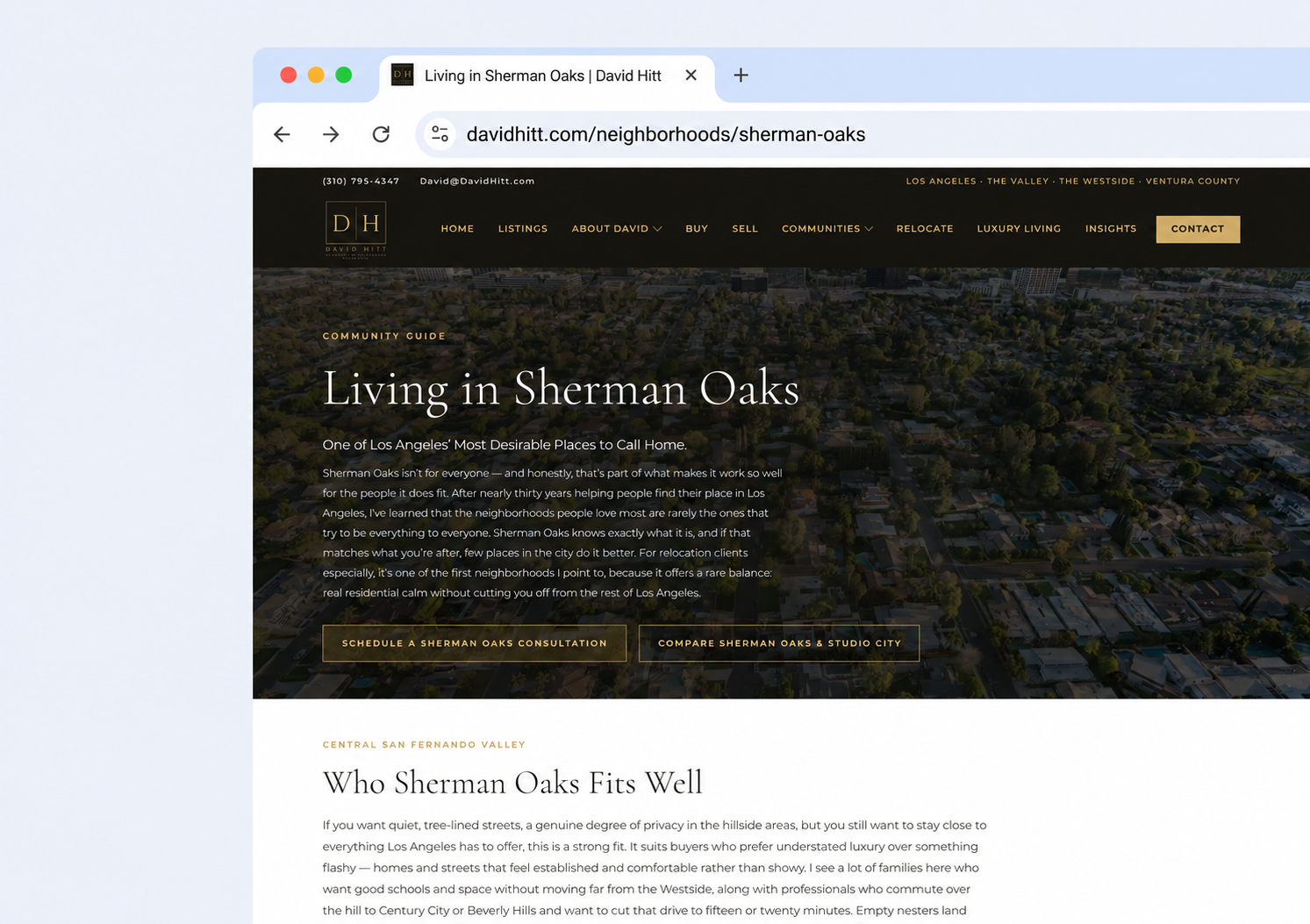
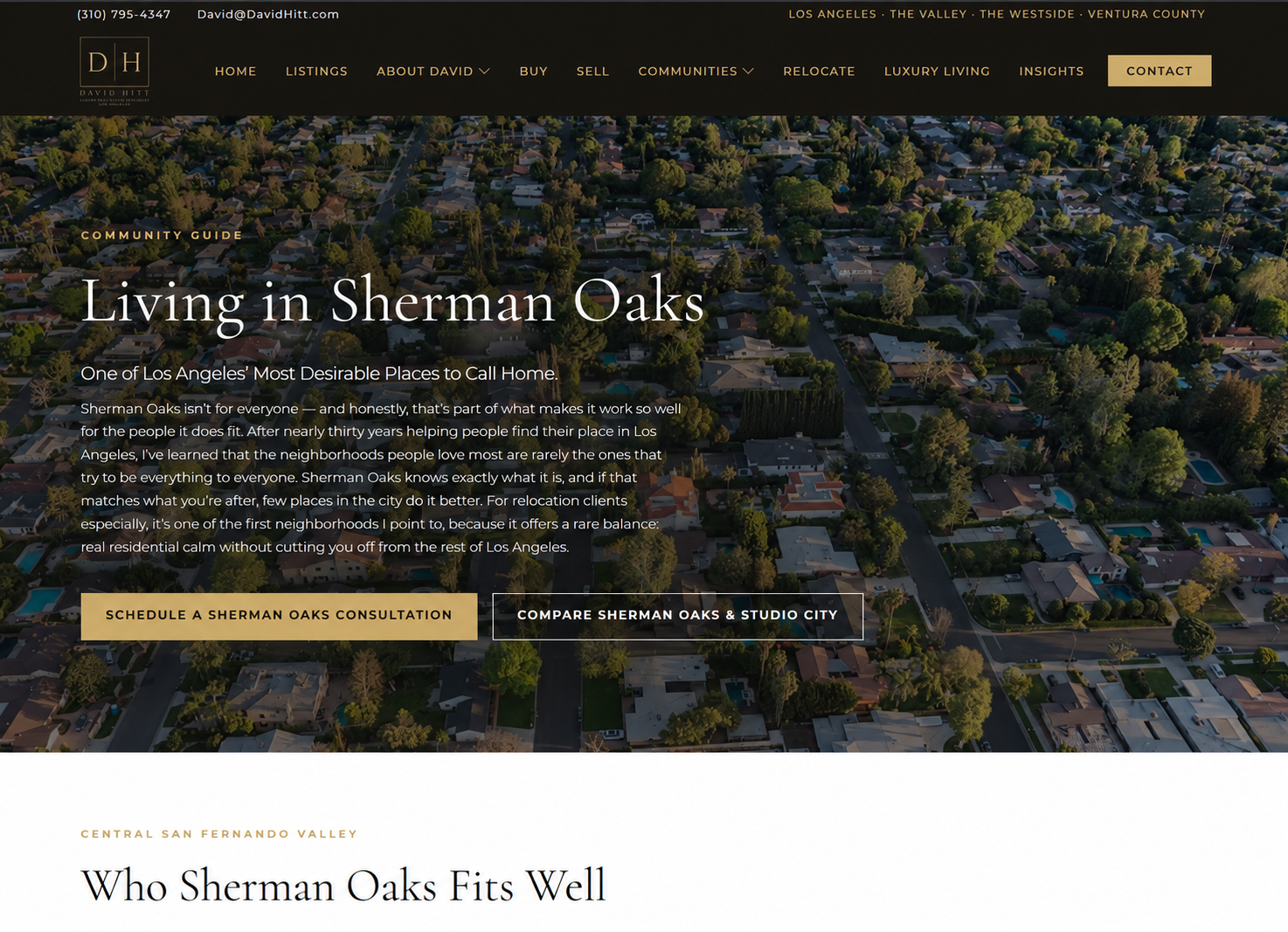
Sherman Oaks

The Valley anchor.

The firm’s strongest market, and the base for the head to head comparison guides.

Studio City

Walkable Valley living.

Ventura Boulevard, the studios, and the buyers who want somewhere to walk to.

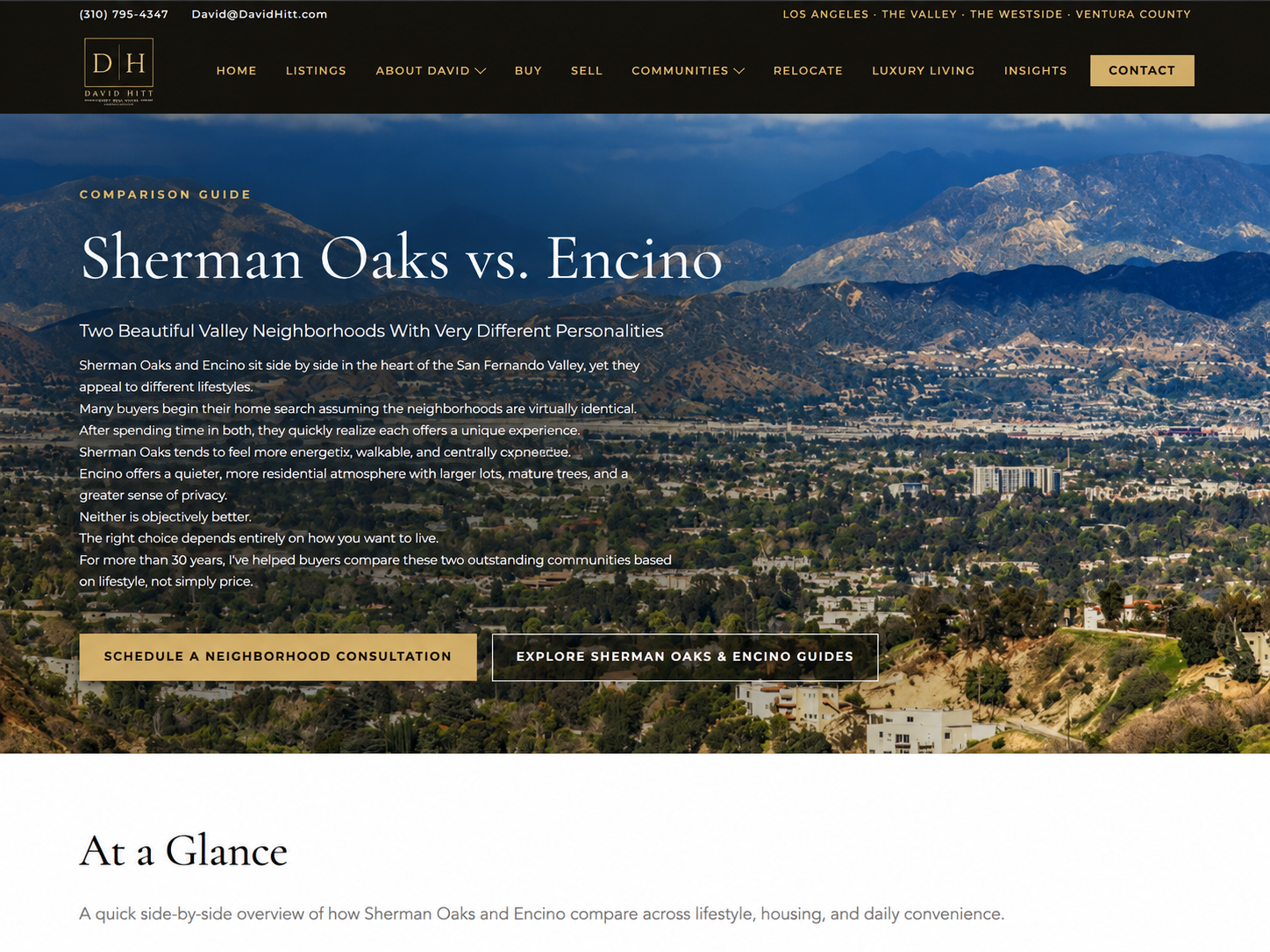
Encino

Space, and a shorter commute.

Larger lots and quieter streets, for buyers trading square footage against the hill.

Beverly Hills

The name people arrive knowing.

The market most out of state buyers name first, and the one they need explaining.

+9 more

The neighborhood guide system

A repeatable way to publish local expertise

We identified neighborhood research as the part of the buyer journey where an individual agent can genuinely out-perform a portal. So we designed one guide structure and built thirteen neighborhoods on it, each covering who the area fits, how daily life works there, what the market feels like, and who would be happier somewhere else.

Because it is one reusable structure rather than thirteen separate designs, adding a fourteenth neighborhood is a piece of writing rather than a development project.

The comparison experiences

Built for the buyer who has narrowed it to two

Once someone has shortlisted two neighborhoods, general guides stop helping. We created dedicated comparison experiences that evaluate both areas against the same criteria in the same order, covering lifestyle, housing and everyday access, so the two are genuinely comparable rather than described separately.

These pages meet buyers at the point of highest intent, and route straight into the relevant guide and the live listings for either area.

Built to be found

An architecture shaped around real searches

Giving each neighborhood and each comparison its own page was a decision about how people search, not a decision about page count. A single page covering thirteen areas would serve none of them well and would be invisible to a buyer searching for one specific place.

Every page carries its own title, description and structured data, and we configured a local SEO layer that publishes the service area explicitly, so search engines know exactly which market this business covers.

Typography and colour

Two typefaces and an eleven-colour palette, defined once in the Elementor global kit and inherited by every template on the site.

Cormorant Garamond

Display

Living in Sherman Oaks

Encino  ·  Calabasas  ·  Century City

Montserrat

Body and interface

Real estate is about more than a transaction — it is about the neighbourhood you end up living in.

Body copy runs at the regular weight, with 500 for interface labels. Montserrat’s wide, even letterforms hold up at long measure, which matters on a site whose neighbourhood pages are genuinely long reads.

Explore the neighborhood

#16140F

Warm black — primary

#57544D

Warm grey — secondary

#403C33

Ink — body text

#F8F5F0

Brass — accent

#F8F5F0

Pale brass — on dark

#F8F6F3

Warm paper — ground

IDX and MLS integration, done properly

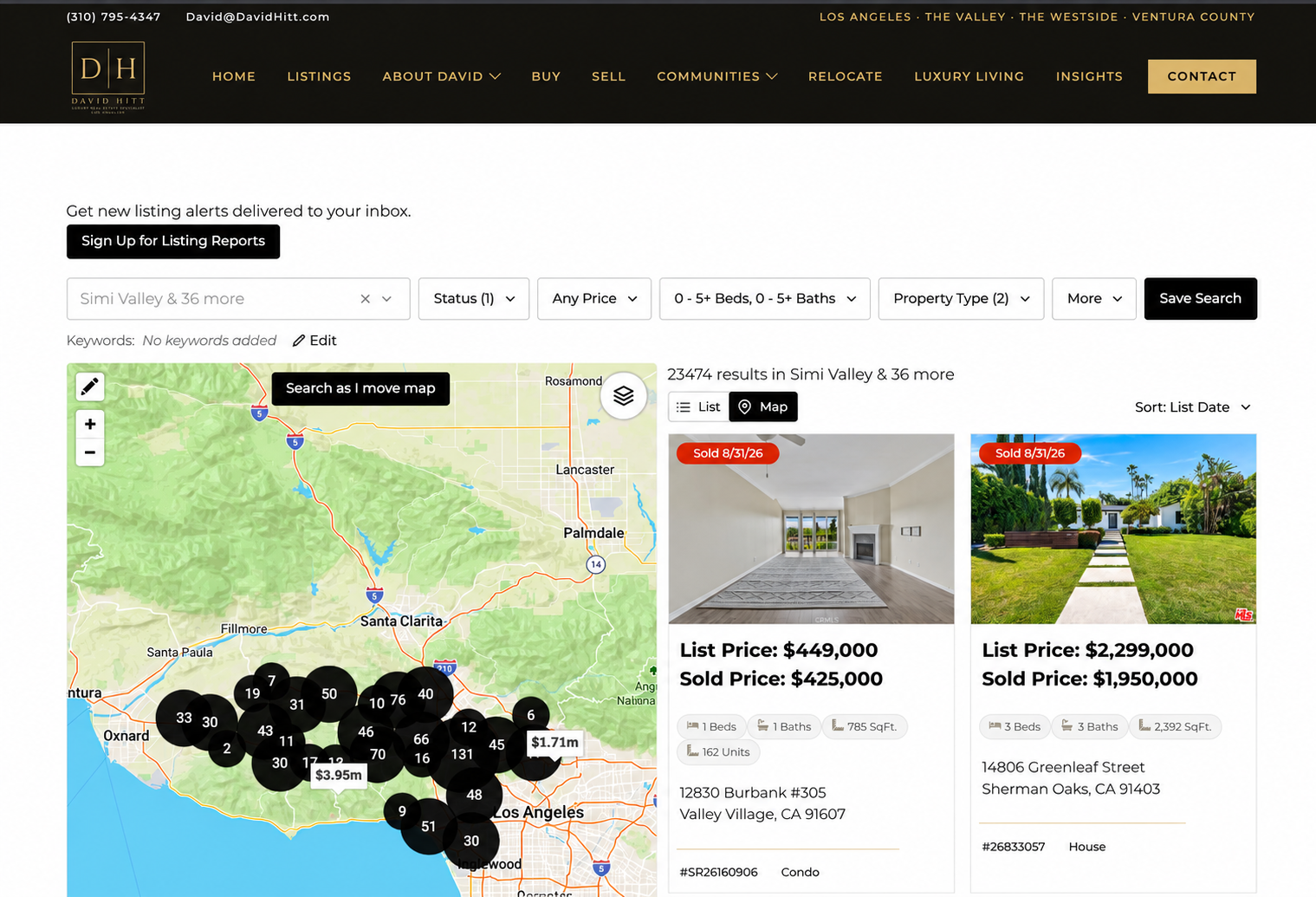
This is the capability the whole project turns on. Most agent sites bolt a search widget on and send the visitor elsewhere. We built the property data into the site so the journey never leaves the brand.

We connected iHomeFinder to the CRMLS feed and rendered it through the site’s own templates. Search results, filters and individual property pages all carry David’s header, contact bar and consultation buttons, so a visitor moving from a guide into a listing and back out never leaves davidhitt.com.

That is the difference between an agent’s website and a referral to a portal. It is also the difference between capturing an enquiry and losing it at the moment the buyer becomes serious.

Search and filtering

on location, price, property type and beds, returning results in the site layout.

Full property detail pages

with galleries and specification, rendered under the client’s own branding.

Area filtered listings

embedded at the end of all thirteen neighborhood guides, so results answer the question the page just raised.

Feed compliance

handled, with the required CRMLS attribution and reliability notice carried alongside results.

Competing on listings everyone already has?

Then the site has to carry what you know. We build property platforms that pair real MLS data with content structured to be found — designed, developed and optimised, then handed over so your team can run it.